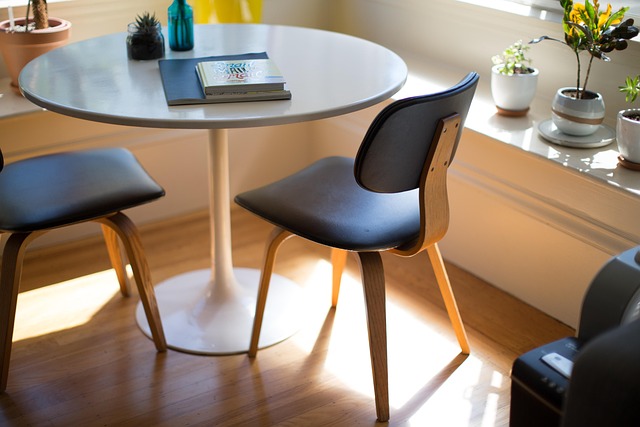
Arranging a home often begins with emotion. We want the space to feel comfortable, coherent and aligned with everyday needs. In this context, furniture stops being decoration and becomes a practical tool that shapes daily life. This article focuses on making choices without rushing and without relying on ready-made formulas. Instead of quick effects, it looks at decisions that make sense over time. You will find examples from homes of different sizes, reflections on materials and proportions, and a critical look at trends that fade quickly. Does every piece really need to impress at first glance? Or is it more important how it performs after months of regular use?
Function as a starting point
A good place to start planning an interior is observing daily routines. A living room used for remote work functions differently from one meant mainly for social gatherings. Furniture should respond to these differences. A deep, soft sofa may suit long evenings, but in a small room it can restrict movement. In practice, this means paying attention to habits and being honest about what actually gets used. With this approach, furniture Kooku becomes a coherent system rather than a collection of random items.
Materials and their long-term impact
Wood, metal, glass and synthetic materials differ not only in appearance. Each one ages differently and reacts to wear in its own way. A wooden table with visible grain develops marks over time, which some see as flaws and others as character. Composite surfaces are easier to maintain, but can feel visually cool. It also helps to consider conditions such as humidity or natural light. Thinking about materials early reduces disappointment later.
Scale and proportion in real spaces
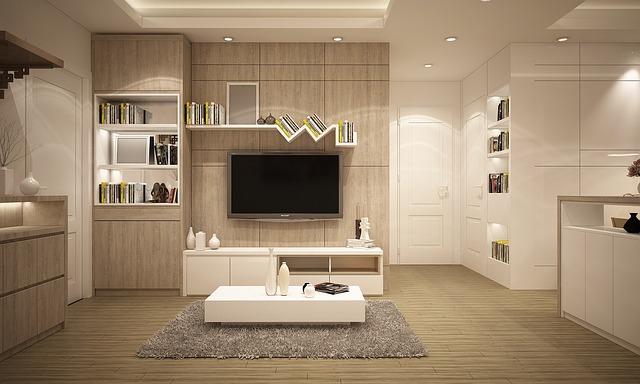
Interior photos often show large, open rooms that are hard to relate to everyday apartments. In reality, the proportion between furniture and the room matters a great deal. A bulky cabinet can overwhelm a small space, even if it looks appealing on its own. Measuring and marking dimensions on the floor with tape is a simple but effective method. It gives a clear sense of circulation and balance before anything is moved inside.
Appearance versus daily comfort
Strong visual forms attract attention, but everyday use quickly tests those choices. Chairs with unusual shapes may look interesting but feel uncomfortable over time. Handleless fronts require frequent cleaning. A balanced approach often works best. Many homes benefit from simple forms complemented by textiles or lighting. This keeps the interior flexible and easier to refresh without replacing major elements.
Looking at higher-end inspiration
Interest in luxury furniture is increasingly about craftsmanship and durability rather than status. These pieces often cost more initially, but they tend to last for decades. A custom-made table or a well-crafted leather armchair can age beautifully and become a long-term anchor in the space. Even a single element from this category can add depth without redesigning the entire interior.
Gradual changes instead of full makeovers
Creating a home does not have to happen all at once. Many people introduce changes gradually, watching how the space adapts. This approach allows room for adjustment and encourages patience. For example, starting with a table and chairs, then adding shelving or lighting later. Over time, it becomes easier to see what is missing and what turned out unnecessary. This process supports more thoughtful decisions and fewer impulse purchases.
Giving furniture a second life
Restoring and reusing older pieces is gaining popularity again. A refurbished dresser inherited from family often brings more character than a brand-new mass-produced item. This approach also has environmental and financial benefits. Sometimes a new color, different hardware or a change in placement is enough to redefine a piece and give it a new role in the home.
A mindful approach to furniture means observing real needs, testing solutions and accepting that interiors evolve along with the people who live in them. Treated this way, furniture becomes part of an ongoing process rather than a one-time decision. Taking time and allowing space to develop naturally often leads to more satisfying results.